 sales@zozen.com
- WhatsApp: 0086-18861589035
-
 sales@zozen.com
 Home >About
Us >News
Home >About
Us >News “For industrial boilers, 1 ton of steam per hour ≈ 700 kWh of thermal energy under standard operating conditions.”
This conversion is your key to precise sizing:
Steam Demand (t/h) → determines the boiler size.
Heat Demand (kW) → determines fuel input, efficiency, and operating costs.
In boiler specifications, "ton" (t/h) does not refer to weight. It signifies steam production capacity—the tons of steam generated per hour under rated conditions. For example, a 1 t/h boiler produces 1 ton of steam every hour.
When selecting an industrial boiler, unit conversion is only the starting point. More importantly, you need to understand what this conversion means for your production process, boiler size selection, and purchasing decision.
The table below helps you quickly convert steam capacity into approximate power output:
| Steam Capacity (Ton/hr) | Approx. Power Output (kW) |
| 1 T/h | 700 kW |
| 2 T/h | 1,400 kW |
| 4 T/h | 2,800 kW |
| 5 T/h | 3,500 kW |
| 8 T/h | 5,600 kW |
| 10 T/h | 7,000 kW |
| 12 T/h | 8,400 kW |
| 15 T/h | 10,500 kW |
| 20 T/h | 14,000 kW |
Food Industry Case Study – MCS Coca-Cola Mongolia
With plans to expand into new beverage categories such as iced tea and fruit juice, MCS Coca-Cola required a highly efficient and exceptionally stable steam supply to support its production lines. These products place strict demands on temperature control, making boiler stability a decisive factor in ensuring consistent taste, safety, and overall product quality.
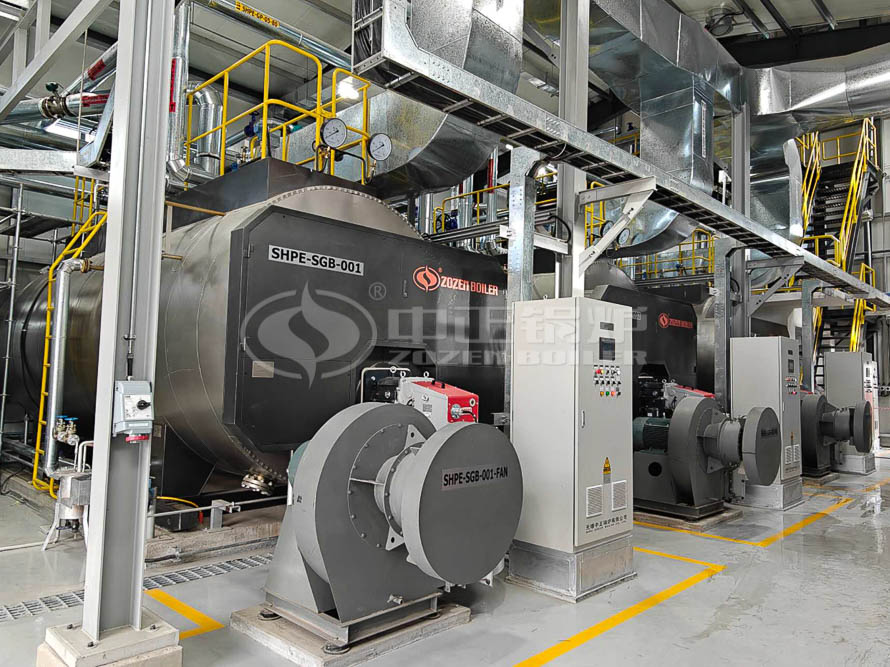
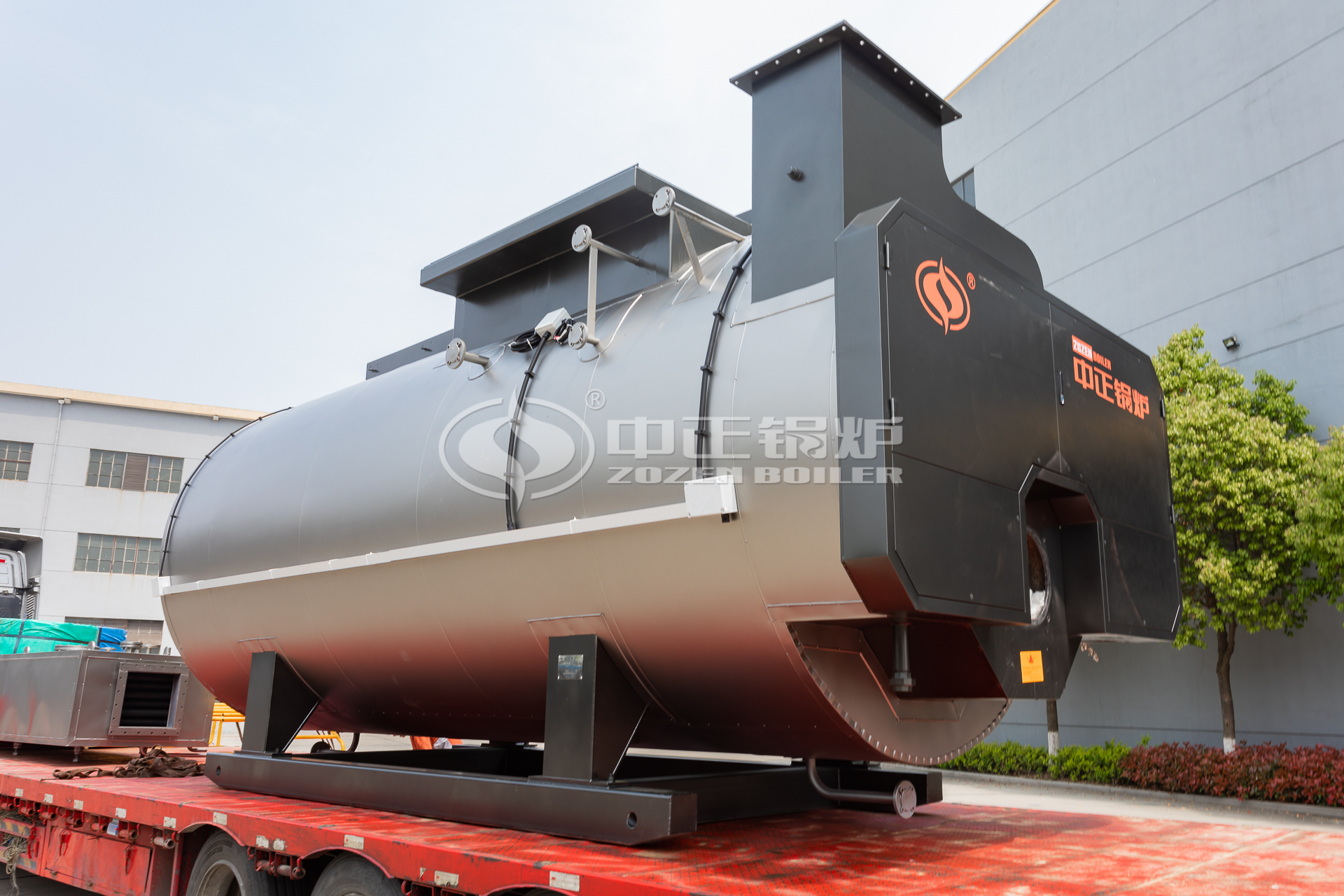
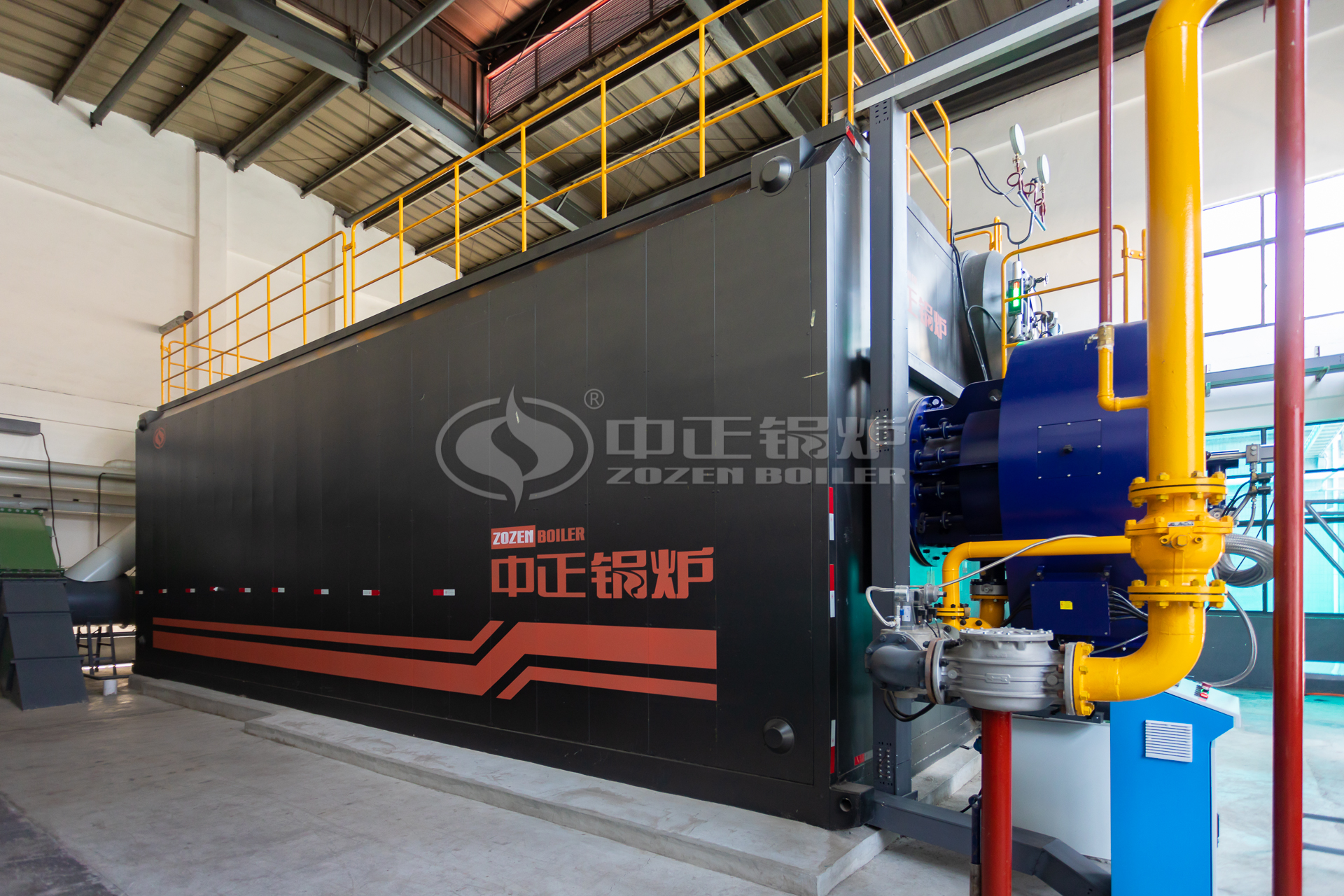
ZOZEN 8 ton WNS series gas-fired steam boiler
After evaluating production requirements, three 8 ton WNS series gas-fired steam boilers were installed and commissioned. In actual operation, the boilers have demonstrated outstanding performance. The advanced burner atomizes fuel thoroughly, allowing complete combustion within the corrugated furnace, while the three-pass fire-tube design maximizes heat absorption and utilization. This configuration significantly improves thermal efficiency up to 98% and reduces overall fuel consumption, supporting cost-effective operation.
From Conversion Result to a Practical Boiler Solution
Understanding the formula is useful—but applying it correctly is what saves investment and operating cost.
When choosing a boiler, you should evaluate:
1.Thermal Efficiency: Higher efficiency directly lowers fuel costs for the same kW output.
2.Fuel Availability: Choose from gas, biomass, coal, or oil based on local supply and cost-impacting system design.
3.Steam Parameters: Define required pressure and temperature, as these dictate boiler construction and safety design.
The table below provides a comprehensive reference for key boiler parameters:
Conversion Type | Parameter | Equivalent Values |
Boiler Evaporation & Thermal Power | 1 t/h | ≈ 600,000 kcal/h ≈ 0.7 MW ≈ 720 kW ≈ 2,205 lbs/h |
Boiler Evaporation & Boiler Horsepower | 1 t/h | ≈ 71.1 BHP ≈ 2,205 lbs/h |
Boiler Pressure (Common Unit Conversions) | 1 MPa | ≈ 10 kgf/cm² ≈ 145 psi |
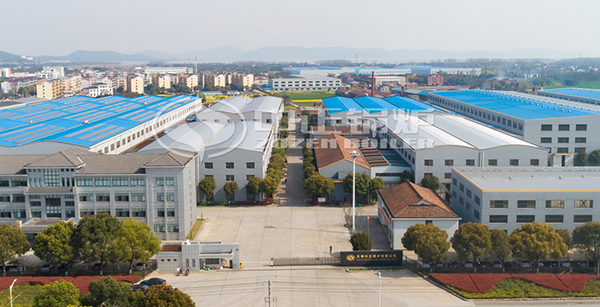
ZOZEN Boiler factory
ZOZEN Boiler is a professional manufacturer with over 30 years of global experience in R&D and delivering gas, oil, coal, and biomass-fired steam and hot water systems.
We provide more than just a unit—we deliver a customized solution. Share your required steam output (t/h or kW) and operating conditions, and our engineers will recommend an optimized boiler configuration with a detailed, practical quotation.
Contact us via Email, WhatsApp, or online consultation to transform your technical requirements into an efficient, reliable boiler solution.



I want to comment