 sales@zozen.com
- WhatsApp: 0086-18861589035
-
 sales@zozen.com
 Home >About
Us >News
Home >About
Us >News In large-scale industrial projects, types of water tube boiler play a critical role as the core equipment for power plants, chemical processing, and centralized heating systems. Water tube boilers are favored for their ability to operate at high pressure and temperature, their large capacity output, and their superior safety profile compared to fire tube alternatives. For engineers and procurement professionals, understanding the different types of water tube boiler is essential to making precise, cost-effective selection decisions that align with project requirements and long-term operational goals.
What Is a Water Tube Boiler?
A water tube boiler is defined by its fundamental structure: water and steam circulate inside the tubes, while high-temperature flue gas flows outside the tubes to transfer heat. This is the opposite of a fire tube boiler, where hot gas passes through the tubes and water surrounds them. The water tube design allows the boiler to withstand significantly higher pressure and temperature, achieve much larger single-unit capacity, and provide enhanced safety through reduced water volume in the heated zone. These characteristics make water tube boilers the preferred choice for large-scale industrial heating, power station electricity generation, and heavy chemical production. Given the diversity of industrial needs, types of water tube boiler are classified in several ways—by fuel type, structural configuration, and intended application, each offering distinct advantages for specific operating environments.
Main Types of Water Tube Boiler
1. Gas-Fired and Oil-Fired Water Tube Boilers
Among the various types of water tube boiler, gas-fired and oil-fired models are widely adopted for their clean combustion and high automation.
SZS series steam boiler
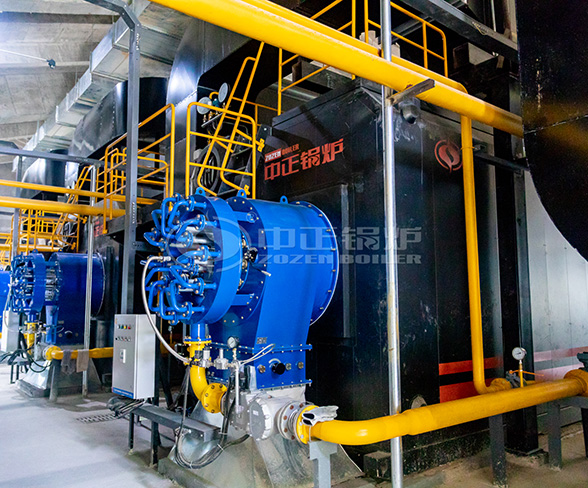
The SZS series represents a double-drum, longitudinal D-type chamber structure, with thermal capacity ranging from 2 to 110 tons per hour and working pressure from 1.25 to 5.3 MPa. The furnace is positioned on the right side with the convection tube bundle on the left, separated by a full membrane water-cooled wall that extends the boiler's service life beyond 20 years. Equipped with a low-nitrogen burner and advanced combustion technology, the SZS series achieves thermal efficiency of 98% or higher and NOx emissions below 30mg/Nm³. Safety devices include an explosion door, flame sensor, and comprehensive water level and pressure alarm systems, making this type of water tube boiler ideal for large-scale chemical plants, heat supply networks, and high-demand industrial facilities requiring reliable, high-volume steam.
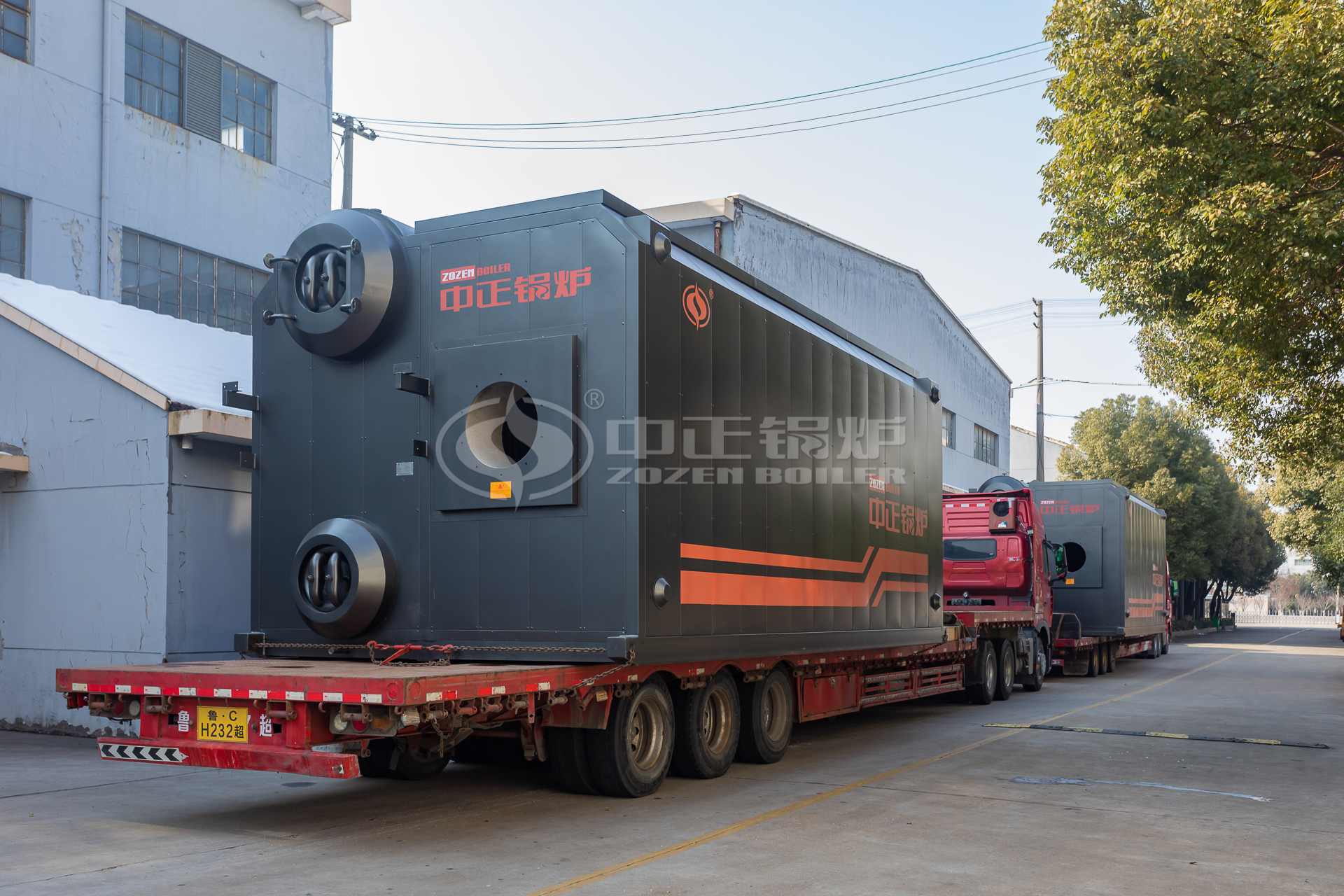
Types of water tube boiler: SZS series steam boiler
2. Biomass-Fired Water Tube Boilers
Biomass-fired types of water tube boiler have gained strong momentum as renewable energy policies drive industries toward low-carbon solutions.
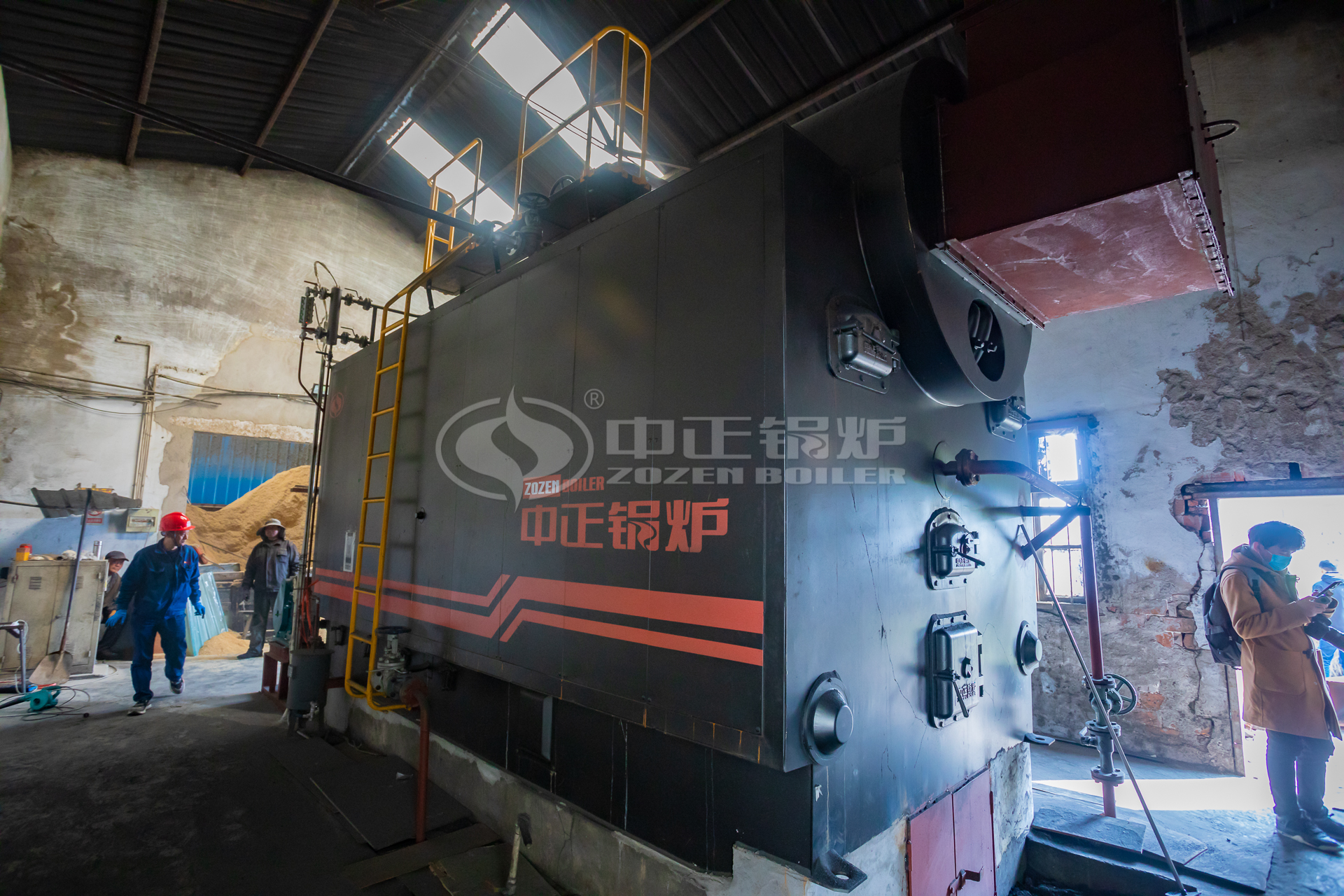
SZL series biomass-fired steam boiler
The SZL biomass series features a horizontal double-drum structure with a chain grate combustion system, delivering thermal capacity from 6 to 35 tons per hour at working pressure from 1 to 2.5 MPa, with thermal efficiency exceeding 86%. The boiler consists of two major parts: the upper part is the heating surface and the lower part is the combustion equipment, with the furnace front surrounded by water-cooled walls that provide a large radiation heating area. The independent air chambers, which vary in number based on boiler capacity, allow precise air distribution to ensure complete combustion across a wide range of biomass fuels including biomass molding granules, wood chips, corn cobs, sawdust, palm shells, and rice husk. This types of water tube boiler is widely used in heating, chemical, food, tobacco, textile, print and dyeing, feed, medicine, building materials, wine, and hospital applications.
DZW series biomass-fired reciprocating grate steam boiler
The DZW series represents a specialized types of water tube boiler designed with a triple-drum structure and a reciprocating grate that is particularly well-suited for biomass fuels with high moisture content or irregular particle size. With thermal capacity from 15 to 35 tons per hour and working pressure of 1.25, 1.6, or 2.5 MPa, the DZW series achieves thermal efficiency exceeding 86.7%. The reciprocating grate ensures even fuel delivery and prevents backfire, while the rotation speed is reasonably designed based on the combustion characteristics of biomass to ensure thorough burning. The triple-drum layout provides a larger steam space and better steam quality compared to double-drum designs, making this types of water tube boiler an excellent choice for medium to large biomass power plants and industrial facilities with dedicated biomass fuel supply chains.
3. Coal-Fired Water Tube Boilers
Coal-fired types of water tube boiler remain indispensable in regions where coal is abundant and cost-effective.
SZL series coal-fired steam boiler
The SZL coal-fired series delivers 6 to 35 tons per hour at working pressure from 1 to 2.5 MPa, with thermal efficiency exceeding 81%. The boiler employs a chain grate layered combustion method with a wide fuel adaptability covering bituminous coal, lean coal, and anthracite. The double-layer grate frame design prevents skewing and jamming, while the densely arranged water-cooled walls in the furnace provide a large radiation area that contributes to the high thermal efficiency. Advanced controls automate fuel supply, ash removal, and slag discharge, making this types of water tube boiler a reliable, low-maintenance solution for heating, chemical, food, tobacco, textile, print and dyeing, feed, medicine, building materials, and hospital applications.
DHL series coal-fired steam boiler
For higher-capacity coal-fired applications, the DHL series offers a corner-tube water tube boiler design with thermal capacity from 20 to 75 tons per hour and working pressure from 1.25 to 5.4 MPa, with outlet temperature ranging from 184 to 485°C and thermal efficiency of 82%. The corner-tube structure uses the pipe system as its skeleton, featuring a fully enclosed membrane wall and a flag-type convection heating surface with variable cross-section design that ensures uniform smoke flow in both high and low temperature zones. ZOZEN's self-developed forward-rotating, single-frame chain grate reduces slag carbon content and increases boiler capacity. The compact design and rapid temperature rise characteristics make this types of water tube boiler particularly well-suited for power generation, large-scale heating, chemical processing, food production, and rubber industry applications where high-capacity, high-pressure steam is required.
ZOZEN's Strength in Water Tube Boiler Manufacturing
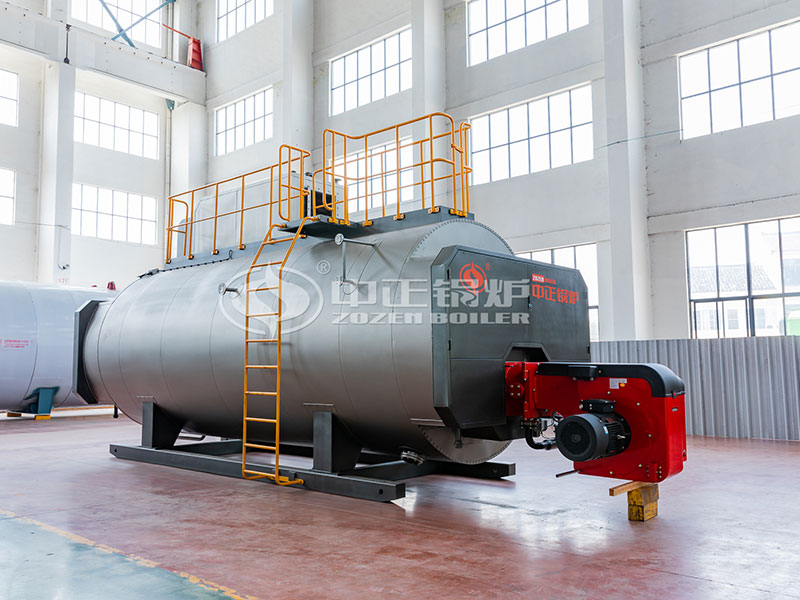
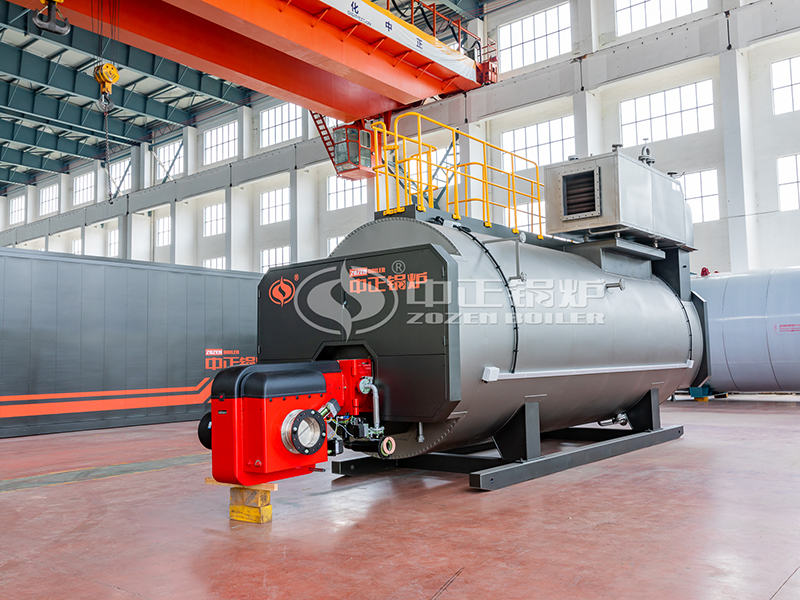
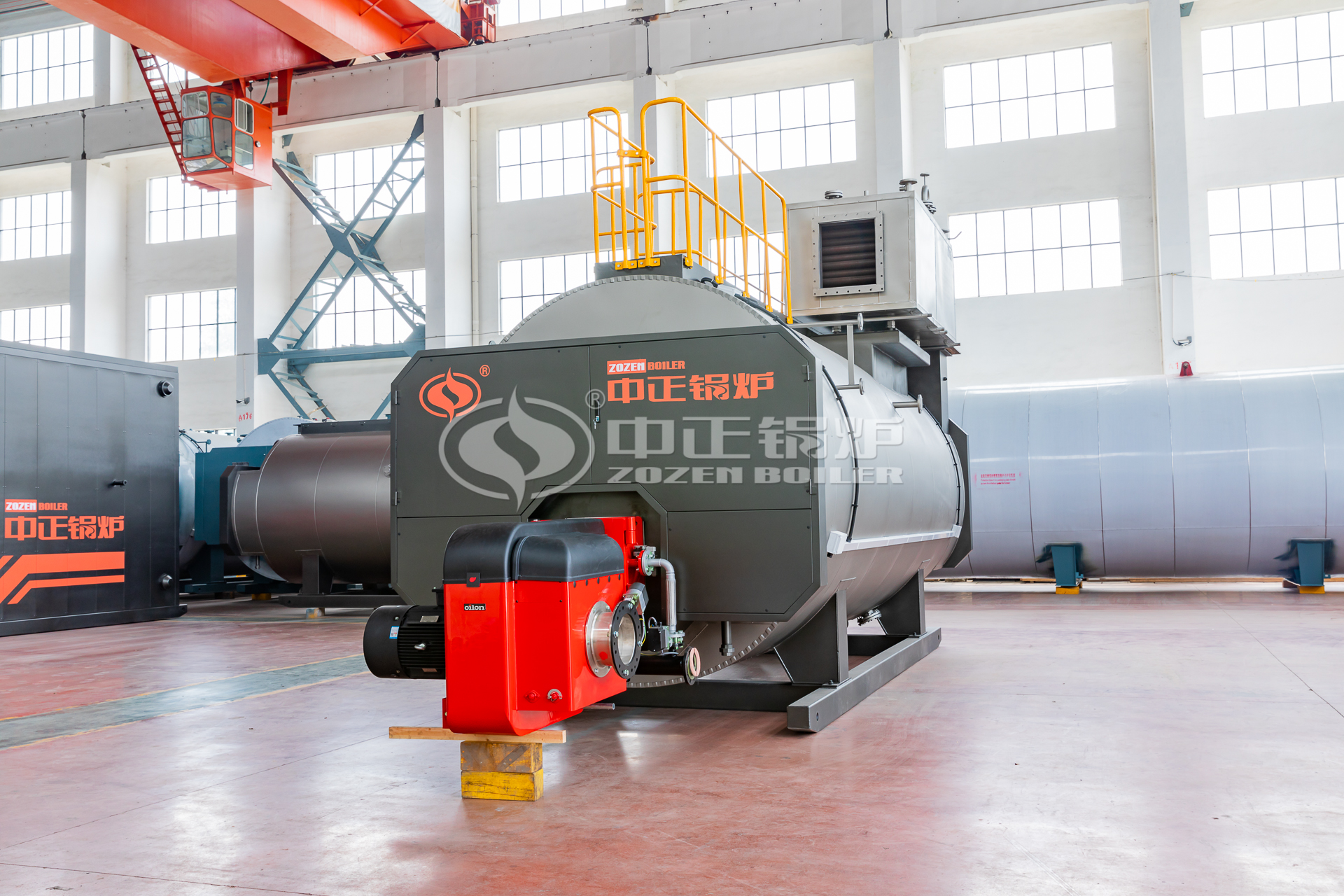
Selecting from the many types of water tube boiler requires not only understanding the technical classifications but also choosing a manufacturer with proven engineering capability and rigorous quality control. ZOZEN Boiler, founded in 1988 in Wuxi, China, has grown into one of the country's leading industrial boiler manufacturers, operating from a 150,000-square-meter production base equipped with six fully automatic production lines. Every water tube boiler produced by ZOZEN is subject to seven quality hold points monitored by dedicated surveillance teams, ensuring consistent excellence from raw material inspection through final factory testing. The company holds ISO9001:2015 certification, the PRC Grade A Manufacture License for Special Equipment, and ASME S and U stamps, and has exported boilers to more than 100 countries with a proven track record of over 15,580 customer cases worldwide. ZOZEN's engineering team provides end-to-end support including boiler system design, auxiliary equipment integration, exhaust treatment solutions, and cloud-based IoT remote monitoring. With a 30-day delivery commitment for packaged water tube boilers, 12 months of free maintenance, and 24-hour hotline support, ZOZEN delivers not only advanced types of water tube boiler but also the full-service partnership that modern industrial operations require for uninterrupted, efficient, and sustainable steam and hot water supply.



I want to comment